7 Corporate Gifting Trends That Are Changing Everything in 2026
Trend 1: Micro-Moments Are Replacing One Big Gift
The old way of corporate gifting was predictable: pick one gift for Christmas, maybe another for work anniversaries, and call it a day. That approach is fading fast, and companies are now sending smaller, more frequent gestures throughout the year. A thank-you after a big project, a welcome gift when someone joins the team, a small treat to mark a personal milestone, or a small gesture of appreciation after a challenging project or a particularly busy period.
Why does this work? Because recognition feels more genuine when it's timely and specific, and a gift that shows up when someone has just done good work lands much better than a generic hamper sent to everyone in December. The connection between the gesture and the reason for it is clear, and there's no guesswork about why the gift arrived.
This shift also reflects how people actually experience appreciation. A single grand gesture can feel impersonal, especially when everyone receives the same thing, but a small, unexpected treat that arrives at just the right moment feels personal, like someone was actually paying attention.
What this means for your corporate gifting strategy: instead of saving your budget for one big seasonal campaign, think about spreading it across the year. A thoughtful £50 gift after a project completion often beats a £100 hamper sent at Christmas, and you'll build more goodwill over time while your recipients remember the gesture more clearly.
Christmas still matters, of course, and it's still the peak season for corporate gifting, but the companies that are getting it right are using Christmas as part of a broader strategy rather than the whole strategy. They're sending gifts throughout the year and then using Christmas as a capstone, not the only event.
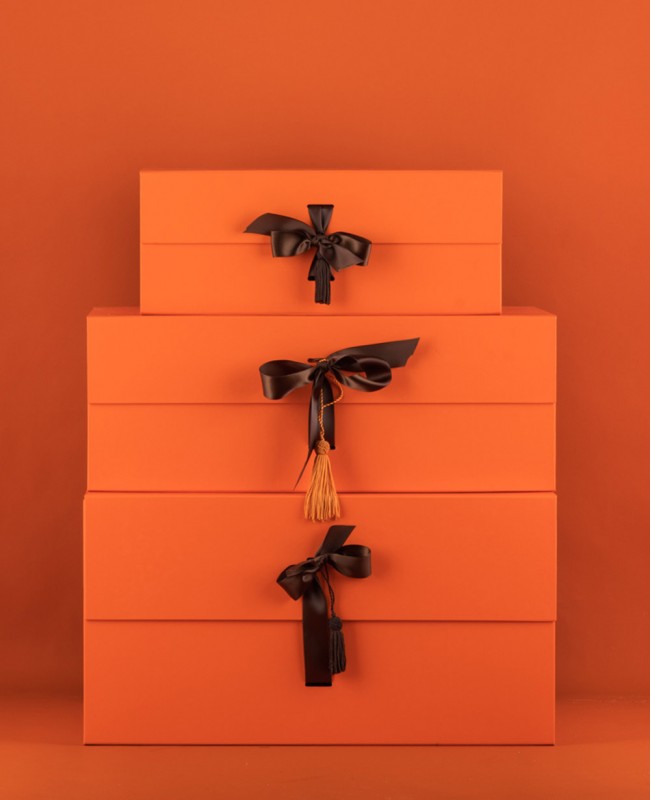
Trend 2: Branded Swag Is Out. Thoughtful Gifts Are In.
Let's be honest: when was the last time you actually used a branded mug or a keyring with a company logo on it? Most of these items end up in a drawer, a cupboard, or the bin, and corporate packs full of logo-heavy merchandise are becoming tired. They feel less like a gift and more like a branding exercise, and the recipient knows they're being advertised to, not appreciated. It's hard to feel genuinely valued when you're unwrapping yet another item with a company logo printed on it.
The problem isn't just that these gifts are boring; it's that they send the wrong message. They say, "We wanted to give you something, but we didn't want to think too hard about it," or worse, "We wanted our logo in your house." Neither of those messages builds loyalty or trust.
What works now? Items that are useful, well-made, and don't scream "corporate." A beautiful notebook, a quality water bottle, a stylish tote bag, or a soft throw blanket for the sofa. Things that feel like they were chosen for the person, not just pulled from a catalogue. The bonus is that when a gift doesn't look like corporate merchandise, people are more likely to use it in public, creating more visibility for your brand than a logo ever could.
Trend 3: Food and Wine Are Always Appreciated
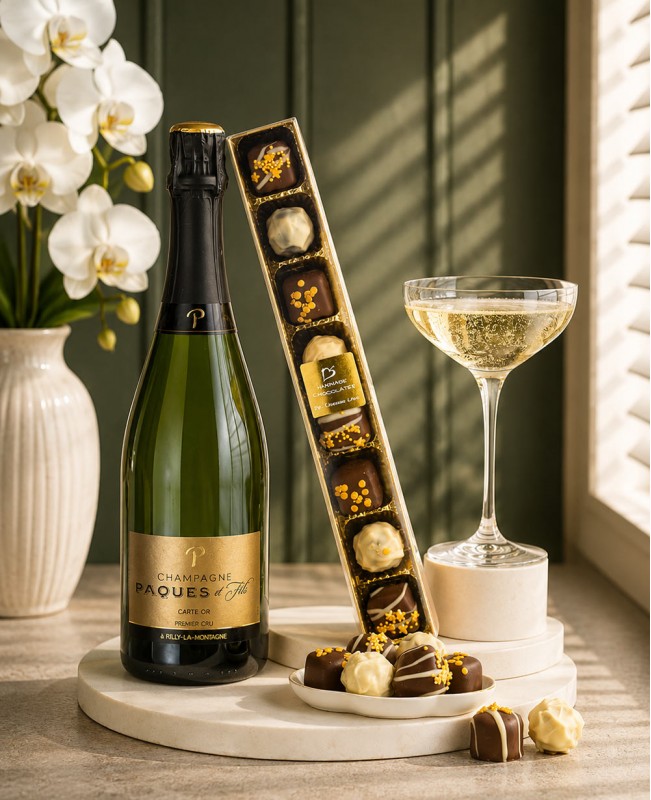
Some things never change, and most people appreciate good food and wine. While branded merchandise is losing its appeal, gourmet hampers, fine wines, and quality chocolates remain consistently popular because they feel indulgent and generous, and they rarely go to waste.
What makes food and wine gifts particularly effective is their versatility. They work for clients, employees, partners, and team members alike, and they can be shared, which extends the positive experience beyond just one person. A bottle of wine can be enjoyed with a partner, a cheese hamper can be shared with the whole family, and a box of chocolates can brighten up an entire team.
Food and wine gifts are also appropriate for almost any occasion. Christmas, of course, is the biggest season for them, but they're equally welcome for birthdays, work anniversaries, promotions, or just because. They don't gather dust in a drawer like branded merchandise, and they're easy to personalise. You can choose items that reflect the recipient's taste or select regional products that have a story behind them, like a bottle of wine from a local vineyard or a hamper featuring artisanal products from the recipient's home country. These small touches make the gift feel intentional and thoughtful.
Trend 4: Generic Gifts Don't Work Anymore
Gifts that feel generic don't make people feel special; they make people feel like a name on a spreadsheet. In 2026, personalisation has moved from a "nice to have" to a baseline expectation, and recipients notice when a gift feels like it was chosen for them rather than picked from a warehouse. They notice when the message is generic, and they notice when the gift is the same for everyone.
This doesn't always mean monogrammed items or custom engraving. Sometimes it's as simple as offering choice, letting the recipient pick from a curated selection, or including a handwritten note that mentions something specific about the person. A note that says "I know you're passionate about sustainability, so we chose these eco-friendly products" lands completely differently than a generic "Thank you for your business."
What matters is that the gift feels intentional. When people feel like you've considered who they are and what they'd actually enjoy, the gift creates a real connection, builds trust, and shows that you see them as an individual, not just a client or an employee number. Personalisation can also extend to the packaging: a gift that arrives in a box that feels thoughtfully put together, with nice tissue paper, a handwritten card, and attention to detail, creates a completely different experience than a box that looks like it came from a warehouse.
Trend 5: Wellness Gifts Are Here to Stay
Wellness gifts are not a passing trend; they're responding to a real need. Work has become faster, more connected, and harder to switch off from, and people aren't looking for status symbols anymore. They're looking for things that help them feel better after a long week or a busy season.
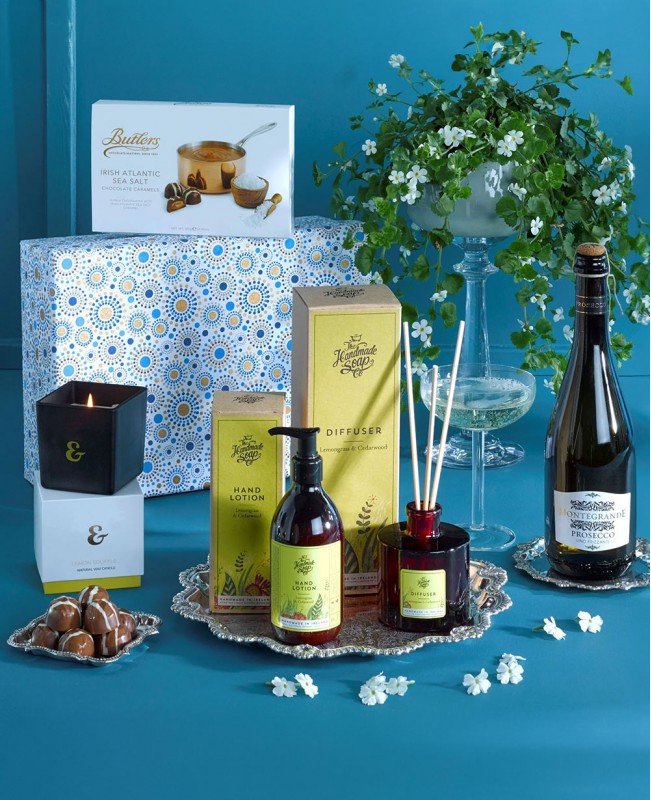
Quality hydration products, soft blankets, desk plants, relaxation sets, and calming home accessories tell the recipient that you see them as a whole person, not just a professional role. They say, "We care about how you're doing, not just what you're producing." This trend has been growing steadily, and it shows no signs of slowing down because people are increasingly conscious of their mental and physical wellbeing. A gift that supports that, whether it's a weighted blanket, an aromatherapy set, or a selection of calming teas, feels thoughtful and genuinely useful.
When your gifting programme signals genuine care for someone's wellbeing, it builds loyalty and strengthens relationships. It's not just a nice gesture; it's an investment in retention. People remember who helped them feel better during a tough time, and they remember who sent something that actually made a difference in their day-to-day life.
Trend 6: What Actually Gets Used?
Recipients are busy, and their homes and desks are full of things. The gifts that earn a permanent place in someone's daily life are the ones that actually serve a purpose: a compact charger that works for all devices, a bag designed for both the gym and the office, or drinkware with interchangeable lids for hot or cold beverages. These gifts get noticed because they're useful every single day, they solve a problem, and they make life a little easier.
People remember gifts that make their lives easier, and they forget gifts that sit in a cupboard collecting dust. Functionality matters more than flashy presentation, and this trend ties back to the decline of branded merchandise. A branded pen or a keyring might be functional in theory, but in practice, most people already have pens and keyrings they prefer. A truly functional gift is one that improves on what the recipient already has or fills a gap they didn't even know existed.
Think about the gifts you've actually kept and used over the years. Chances are, they're the ones that served a purpose: the beautiful notebook you actually wrote in, the high-quality water bottle you took everywhere, or the cosy blanket you reached for on cold evenings. Those are the gifts that create lasting positive associations.
Trend 7: Gifting Is Becoming a Retention Strategy
Companies are starting to realise that gifting isn't just a cost centre; it's a tool for building loyalty and keeping good people. When employees or clients feel genuinely appreciated, they stay longer, they produce better work, and they recommend your company to others. The return on a thoughtful gift goes far beyond the price tag.
This shift is particularly noticeable around the end of the year. Christmas gifting is still important, but it's no longer the only time companies think about showing appreciation. Smart companies are using Christmas as part of a broader strategy, sending gifts throughout the year, building goodwill gradually, and then using the festive season as a capstone.
People who feel appreciated are more engaged, more loyal, and more productive. They're less likely to leave for a competitor, and they're more likely to speak positively about their employer or their business partners. A well-timed, thoughtful gift can strengthen a relationship for years, and this doesn't mean you need to spend more money; it means you need to spend more intentionally. A regular, genuine "thank you" beats a grand gesture once a year, and a small gift that arrives at the right moment beats a big gift that feels generic.
What This Means for Your Corporate Gifting Strategy
The old rules of corporate gifting are gone, and the new rules are clear:
-
Send smaller gifts more often throughout the year, not just at Christmas
-
Skip the branded merchandise, as it feels like advertising rather than appreciation
-
Food and wine are safe, reliable, and always appreciated
-
Make gifts feel personal and intentional
-
Consider wellness gifts, as they signal genuine care
-
Choose functional items that people will actually use
-
Treat gifting as a retention strategy, not just a seasonal activity
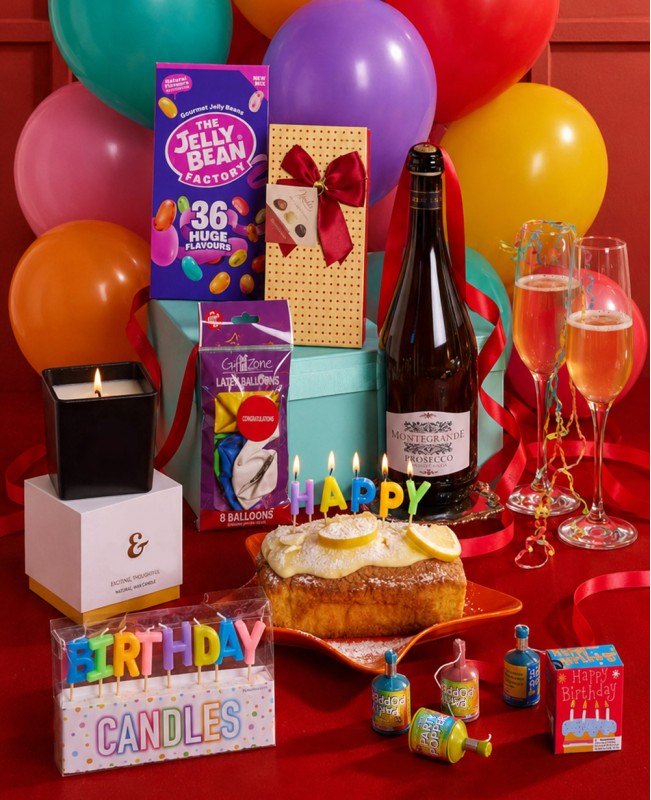
At Gift Hampers International, we've been watching these trends closely, and our hampers are designed to feel curated, not random. Each item is chosen because it belongs, because it contributes to a cohesive experience rather than filling space.
Whether you're planning your 2026 gifting strategy or looking for a single thoughtful gesture, think about what matters most: quality over quantity, personalisation over uniformity, and impact over volume.